
FACULTY
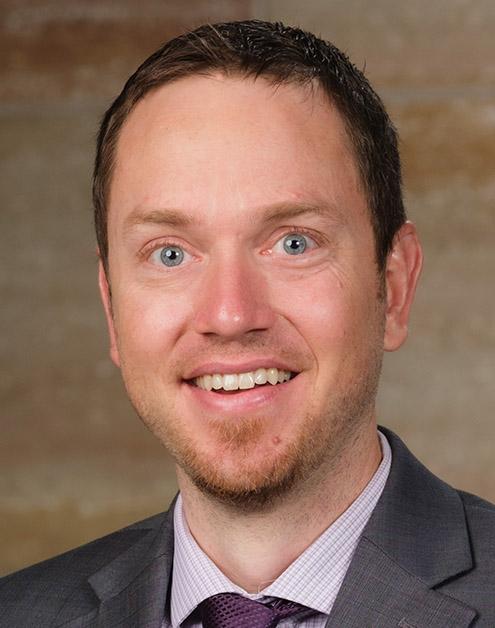
Christopher D. Conrady, MD, PhD
As a dual fellowship-trained and NIH-funded uveitis specialist and vitreoretinal surgeon at the University of Utah Moran Eye Center within the Departments of Ophthalmology and Pathology, I ultimately want to improve the visual outcomes of patients with vitreoretinal and inflammatory disorders of the eye by improving our clinical and basic science understanding of these disorders. My clinical expertise is in the surgical and medical management of vitreoretinal and inflammatory disorders of the eye from both non-infectious and infectious etiologies. As a basic scientist, I have been interested in the immune response to viral and bacterial infections since my PhD training in which I helped identify the innate immune sensors to herpes viruses in the cornea and central nervous system. Over the last few years, I have published clinical imaging and examination findings specific to various ocular pathogens and my research lab is focused on better understanding innate immunity to viral infection of the retina, specifically herpesviruses. Through this, we hope to identify therapeutic targets to improve the typically poor visual outcomes seen with viral retinitis.

John M. Davis, III, MD, MS
John M. Davis III, MD, MS is Chair of the Division of Rheumatology at Mayo Clinic in Rochester, Minnesota, Professor of Medicine in the Mayo Clinic College of Medicine and Science, and Executive Director of the Mark E. and Mary A. Davis Initiative in Rheumatoid Arthritis Research. He is a clinical rheumatologist and physician-scientist whose work focuses on inflammatory arthritis and rare autoinflammatory disorders.
Dr. Davis is recognized for his expertise in the evaluation and management of patients with complex, multi-system inflammatory diseases with extra-articular and ocular manifestations, including those with atypical, treatment-refractory, or diagnostically challenging presentations. His clinical practice emphasizes multidisciplinary collaboration to improve diagnostic accuracy and patient outcomes across a broad spectrum of rheumatologic conditions.
Over the past several years, Dr. Davis has developed a focused clinical and research interest in NOD2-associated autoinflammatory disease (Yao syndrome). Through the development and study of a Mayo Clinic patient cohort, he has contributed to defining the clinical phenotype, genotypic associations, treatment responses, and gastrointestinal manifestations of the disease. His current work seeks to advance biomarker-informed approaches to disease characterization and to develop scalable strategies for clinical research in rare inflammatory disorders.
In addition to his work in autoinflammatory disease, Dr. Davis leads research programs in rheumatoid arthritis, patient-centered outcomes, precision medicine, and translational immunology. He serves in national and international leadership, editorial, and educational roles and is committed to advancing collaborative care and research for patients with complex immune-mediated diseases.

Richard D. Dix, PhD
Richard D. Dix, PhD is a virologist and educator whose research career has focused on the pathogenesis of neurological and retinal diseases of herpesvirus origin. After earning his doctorate degree from the Department of Virology and Epidemiology, Baylor College of Medicine, Houston, Texas, he received specialized postdoctoral training in neurovirology (Department of Neurology, University of California, San Francisco) and HIV/AIDS (San Francisco General Hospital). As a faculty member at the Bascom Palmer Eye Institute, University of Miami School of Medicine, Miami, Florida, he collaborated on clinical investigations of acute retinal necrosis and mouse studies exploring the pathogenesis of herpes simplex virus type 1 (HSV1) retinal disease. While there, he established an NIH/NEI-funded research program to investigate the pathogenesis of AIDS-related human cytomegalovirus (HCMV) retinitis using a novel animal model of murine cytomegalovirus (MCMV) retinitis in mice with retrovirus-induced immunosuppression (MAIDS). This research program continues today at the Viral Immunology Center, Department of Biology, Georgia State University, Atlanta, Georgia. In recent years, this research has explored the role of apoptosis, pyroptosis, necroptosis, and parthanatos as programmed cell death pathways during the pathogenesis of AIDS-related HCMV retinitis, AIDS-related HSV1 progressive outer retinal necrosis, HSV1 acute retinal necrosis, and herpes simplex encephalitis. His ocular virology and neurovirology research programs have been greatly enhanced through an Adjunct Professor appointment in the Department of Ophthalmology, Emory Eye Center, Emory University School of Medicine, Atlanta, Georgia, where he is an active member of their NEI-funded P30 Core Grant and T32 Training Grant.

Phoebe Lin, MD, PhD
Program Co-Chair
Phoebe Lin, MD, PhD, graduated summa cum laude, Biochemistry, from Washington University, AOA with Honors from the MD/PhD program at the University of Illinois, then completed ophthalmology residency at UCSF, a vitreoretinal surgery fellowship at Duke University, and a uveitis fellowship at Casey Eye Institute, Oregon Health & Science University. At Cole Eye Institute, Cleveland Clinic, she performs clinical care in ocular inflammatory and retinal diseases, vitreoretinal surgery, educates residents and fellows, and performs research identifying novel therapeutic targets for the treatment of ocular inflammatory disease and macular degeneration. Specifically, her lab utilizes animal models of uveitis (an inflammatory condition of the middle lining of the eye) to address several pathways: leukocyte migration in autoimmune uveitis, immune regulation as a target for autoimmune uveitis, and the role of the mammalian commensal intestinal microbiota in intestinal immunity and systemic immunity affecting the development and mitigation of ocular inflammation. Dr. Lin’s lab is also investigating the impact of an intestinal dysbiosis that occurs in age-related macular degeneration, a disease that is caused by disruptions in innate immunity and fatty acid metabolism. She has published over 100 articles, book chapters, and books.
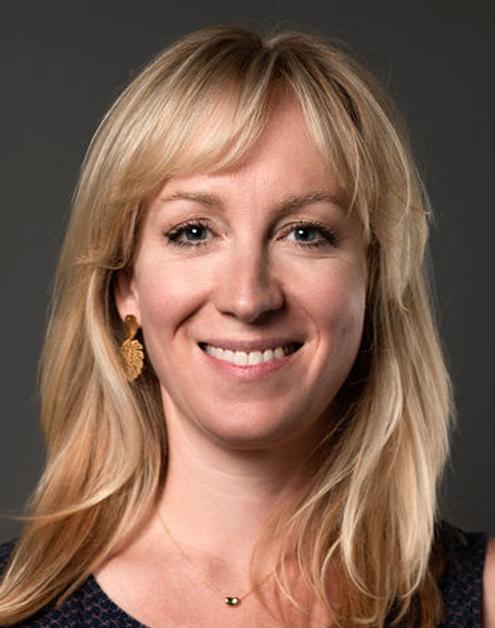
Ruth J. Napier, PhD
Dr. Ruth J. Napier, PhD, is an Associate Professor of Medicine and Ophthalmology at the University of Colorado Anschutz Medical Campus and founding Director of the Blau Center for Precision Medicine and Translational Research. As a translational immunologist, she studies how genetic variation in microbial-sensing pathways, particularly NOD2, drives uveitis and systemic inflammatory disease. Through close collaborations with clinicians, patients, and families, her laboratory has uncovered mechanisms linking Blau syndrome-associated NOD2 variants to dysregulated T-cell activation and IL-17-mediated inflammation, translating these discoveries into biomarker-driven and precision therapeutic strategies for rare and common forms of uveitis.
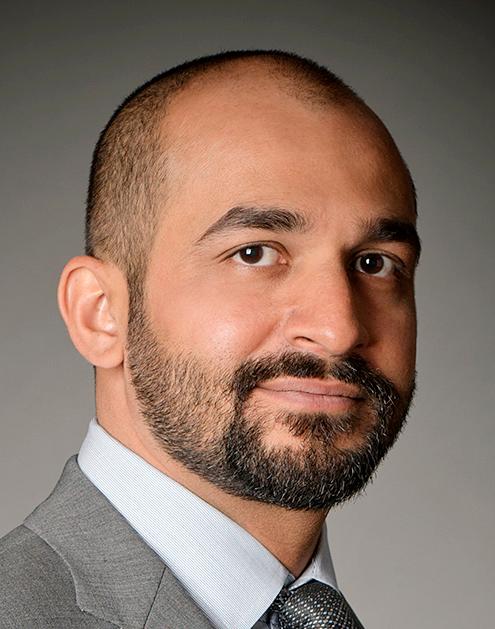
Akbar Shakoor, MD
Program Co-Chair
Akbar Shakoor, MD graduated from The Aga Khan University College of Medicine in Karachi, Pakistan. He completed his Residency at University of Virginia in Ophthalmology and continued on to the University of California, F.I. Proctor Foundation Fellowship in Uveitis, Cornea, and External Diseases. He finalized his fellowship training with a Vitreoretinal Fellowship at the University of Utah John A. Moran Eye Center.
Dr. Shakoor is a Professor of Ophthalmology at The John A. Moran Eye Center, University of Utah. He is a member of both the Vitreoretinal and the Uveitis and Ocular Inflammatory Disease Division. He is a Director of their Uveitis and Retina Fellowship Programs as well as the Director of an International Council of Ophthalmology accredited International Uveitis Fellowship. Dr. Shakoor is an active clinician and an educator as well. He has mentored many clinical fellows, residents and medical students at the University of Utah. He is a board-certified ophthalmologist and is a participating member of American Academy of Ophthalmology and American Uveitis Society.